Silver Utensils Health Benefits and Cherished Traditions
Introduction
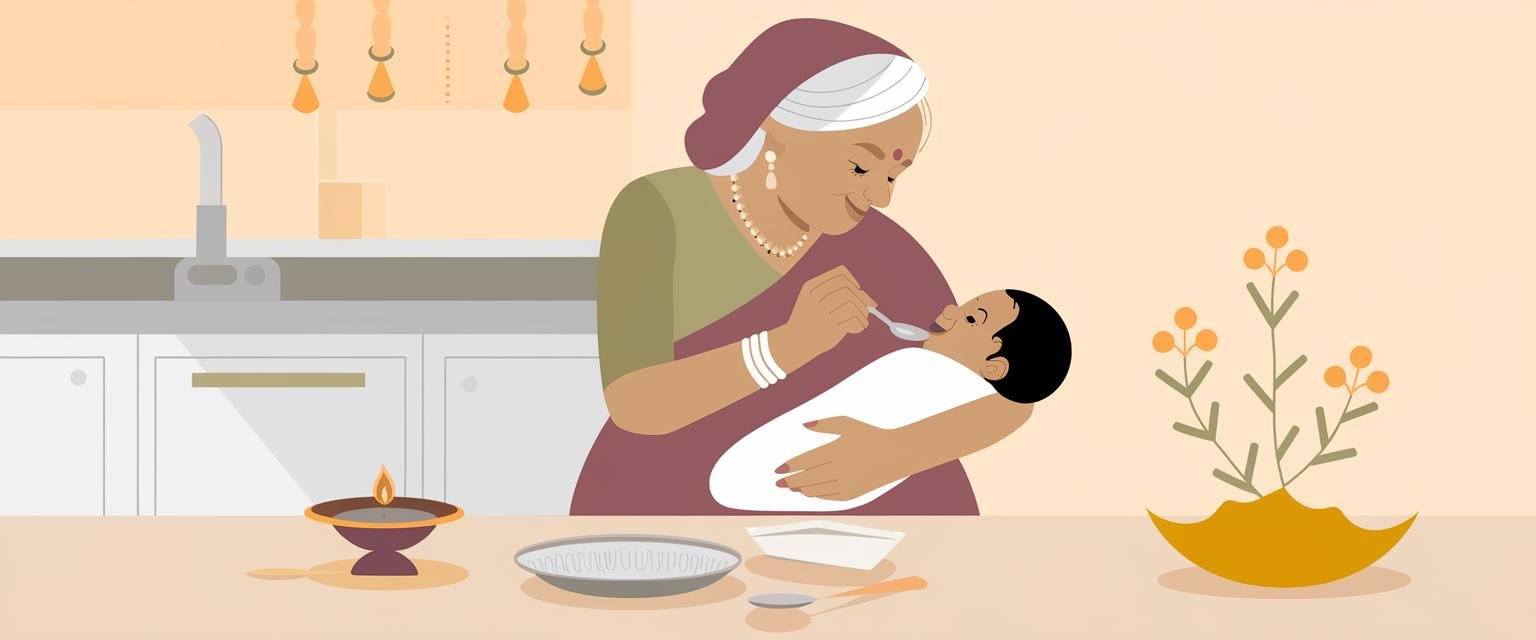
Picture this: a grandmother gently placing a silver spoon in the mouth of her newborn grandchild. Not just a ritual — it’s a blessing, rooted in both love and wisdom.
In many Indian homes, silver utensils have been quietly present — in the pooja thali, on festive tables, and in the gifts shared at life’s milestones. But beyond tradition, did you know there are real silver utensils health benefits too?
At SM Jain Jewellers, our family has been crafting and providing silver items for homes across Delhi for generations. We’ve seen families pass down silver bowls, glasses, and spoons across generations. Let’s explore why silver utensils remain meaningful — from Ayurveda to science, festivals to everyday meals — and what you need to know before choosing them for your home.
Visit our blog page to explore more topics like this.
Quick Takeaways
– Silver naturally kills germs, keeping food and milk cleaner
– Feeding babies from silver utensils may help boost immunity
– Traditional Indian festivals and pooja include silver for purity and blessings
– Silver is a meaningful gift for weddings, baby showers, and housewarmings
– Pure silver (like 925 sterling) is safe to use and lasts for generations
Table of Contents
1. [Unveiling the Health Benefits of Silver Utensils: A Blend of Tradition and Science](#unveiling-the-health-benefits-of-silver-utensils-a-blend-of-tradition-and-science)
2. [Cultural Significance: Silverware in Indian Rituals and Gifting](#cultural-significance-silverware-in-indian-rituals-and-gifting)
3. [Practical Guidance: Choosing, Caring for, and Using Silver Utensils](#practical-guidance-choosing-caring-for-and-using-silver-utensils)
4. [FAQs](#faqs)
5. [Conclusion: Embracing the Legacy of Silver for a Healthier and Richer Life](#conclusion-embracing-the-legacy-of-silver-for-a-healthier-and-richer-life)
Unveiling the Health Benefits of Silver Utensils: A Blend of Tradition and Science
Silver’s Antimicrobial Properties: Science Backs Tradition
Traditional wisdom says silver purifies. That’s why it’s used to store water in many Indian homes. Modern science supports this too.
Our family has seen how silver naturally helps keep food clean and fresh, just like our grandmothers always knew. Research from medical journals confirms that silver helps limit the growth of harmful bacteria like E. coli and Staphylococcus. This is why milk stored in silver stays fresh longer than in plastic or other materials.
We remember a customer who shared that her silver water glass stays by her bedside every night — a habit her mother taught her for better health.
Silver Cups Benefits: Supporting Infant Health
Feeding babies with silverware is an old Indian tradition. Many parents use silver bowls or silver spoons for milk, water, and mashed food.
Why? Silver is easy to clean and doesn’t trap bacteria like plastic might. It is also believed to calm the body and boost immunity — important during early childhood. Some even use silver glasses for baby’s first water or holy offerings during naming ceremonies.
Just last month, a family came to our shop looking for a silver feeding set for their granddaughter. “My mother fed me from silver,” the grandfather said, “and I’m still healthy at 80!”
Health-wise, silver doesn’t react with milk or water. This makes it a safe, neutral choice — something every parent appreciates.
Silver Bowls Digestion: Aiding Gut Health and Well-being
Have you heard elders say that eating from silver bowls improves digestion? This belief comes from Ayurveda.
In Ayurvedic texts, silver (Rajata) is known to have cooling and soothing properties. It is believed to balance Pitta dosha, support digestion, and reduce internal inflammation.
While modern science is still catching up, generations of Indian families have trusted silver’s natural ability to keep food pure and fresh. This is especially true for dairy-based dishes like kheer and curd, which taste better when served in silver bowls.
One of our oldest customers, a 75-year-old gentleman, swears by his morning yogurt in a silver bowl. “My stomach has never been healthier,” he tells us every time he visits.
Is Silverware Healthier? Addressing Common Concerns and Misconceptions
Some people wonder if using silverware daily is safe. The answer is — yes, if it’s pure silver.
Here’s how silver compares:
| Material | Health Safety |
|---|---|
| Silver (925) | Safe, antimicrobial, helps preserve freshness |
| Stainless Steel | Neutral, but no antibacterial benefit |
| Plastic | May leach chemicals when heated |
Toxicity is not a concern with food-grade silver. But avoid silver-plated or impure items for food use, as they may contain other metals.
In our 50+ years of selling silver, we’ve never had health complaints from families using pure silver utensils. Many of them have passed these items through three generations.
Cultural Significance: Silverware in Indian Rituals and Gifting
Silver in Sacred Rituals: Purity and Divinity
Silver is often seen as a pure metal in Hinduism. It is used for pooja thalis, small bowls for prasad, and items dedicated to deities like Lakshmi and Ganesha.
During festivals like Diwali, Rakhi, and Janmashtami, families clean and decorate silver items before using them for offerings. It’s believed that silver carries positive energy and keeps bad energy away.
We remember one family who brings their silver Ganesh murti to us each year before Ganesh Chaturthi for cleaning and a small blessing. “The silver Ganeshji has been with our family for four generations,” the father told us, “and will go to my son next.”
The Gift of Silver: A Blessing for New Beginnings
Silver gifts are meaningful during life’s special steps:
1. **Newborn Babies & Annaprashan:** Silver spoons, bowls, or glasses are gifted at birth or when a baby first starts solids (annaprashan).
2. **Baby Showers (Godh Bharai):** Silver rattles or utensils are traditional gifts, given with blessings for good health.
3. **Weddings & Griha Pravesh:** Silver trays, bowls, or diya sets are gifted to bless the couple and their new home.
Just last week, a young couple came to select a silver gift for their niece’s first birthday. “We want something she’ll actually use, not just display,” they explained. We helped them choose a small silver bowl and spoon set that could be used now for feeding and later kept as a cherished memory.
At SMJ, many families come looking for “something simple but meaningful” — and they almost always find it in silver.
SMJ Heritage and Silver Gifting Traditions
We still remember one family who came to us with a silver thali set their grandfather had gifted in 1950. They wanted a matching piece for their son’s wedding. That’s the beauty of silver — it becomes part of family stories.
At SM Jain Jewellers, we started back in Dariba Kalan, helping families celebrate their big days with pure silver gifts. Today, in Krishna Nagar, we continue that tradition — still guided by the same trust.
My father often tells how, in the early days of our shop, a bride’s grandmother brought her own silver payal to be reshaped into a small bowl for her granddaughter’s first child. “Silver carries the family’s blessings,” she had explained.
Explore occasion-based gift sets here.
Beyond Gifting: Silver Utensils in Daily Life
Why keep silver tucked away?
Some families use silver spoons for daily tea, bowls for serving kheer, or water glasses placed by the bedside. These small touches not only add beauty — they may help health too.
I recall a customer, an elderly doctor, who drinks water only from his silver glass. “It’s not just tradition,” he once told me, “I’ve been doing this for 60 years and rarely fall sick.”
And when your children grow up, these items can be passed on as heirlooms. That silver spoon you once fed them with? One day, they’ll do the same for their child.
Practical Guidance: Choosing, Caring for, and Using Silver Utensils
Identifying Authentic Silver: Hallmarking and Purity Standards
Look for these signs:
– A BIS hallmark (from Bureau of Indian Standards)
– Marking like “925” (means 92.5% pure silver, best for utensils)
– Trusted seller with experience in silver
Be careful of silver-plated items. While cheaper, they don’t offer the same health benefits and may wear down over time.
One customer learned this lesson when her “silver” glass from an online store started peeling after just three months. When she brought it to us, we had to explain it was only thinly plated. Now she always checks for proper hallmarks.
Cleaning and Maintenance: Preserving Silver’s Luster
Silver can lose shine over time, especially if not stored well. Here’s how to take care:
1. Clean with mild soap and warm water
2. Use a soft cloth to dry and polish
3. Store in air-tight bags or soft cloth pouches
For extra shine, you can use silver polish or rub with baking soda and lemon — but avoid harsh chemicals or steel wool.
My grandmother taught us a simple home remedy that works wonderfully: a paste of baking soda and water, applied gently with a soft cloth, followed by a rinse. Even our oldest customers still use this method!
Safe Usage: Precautions and Considerations
– Avoid very acidic foods like lemon pickle — they may cause tarnishing.
– Silver is not dishwasher-safe. Hand washing is best.
– Don’t heat silverware in the microwave.
When a newly-married couple came to us for advice about using their silver dinnerware, we shared these simple tips. Six years later, their silver still looks nearly new.
Choosing the Right Piece: An SMJ Guide
Looking for silver gifts or utensils? Here’s how families usually decide:
1. **For Babies:** Spoons, glasses, feeding bowls
2. **For Weddings:** Plate and bowl sets, pooja thalis
3. **For Pooja Use:** Bells, diyas, containers
4. **For Gifts Under Budget:** Small silver coins or incense holders
Last Diwali, an aunt was shopping for her nephew’s new baby. She was torn between a rattle and a small bowl. “Which will be more useful?” she asked. We suggested the bowl — it would be practical for feeding now and become a keepsake later. She returned months later to tell us how much the family treasured it.
Every family and every occasion is different. We like to ask — who is it for, and what is the blessing you want to give?
FAQs
Is silverware healthier?
Yes, pure silver utensils are hygienic, non-reactive, and antimicrobial. They are especially helpful for infants and the elderly. Just be sure you’re using genuine silver — not plated or mixed varieties.
What do studies say about silver cups and utensils?
Research confirms that silver has antibacterial properties, making it useful for storing and serving food safely. It doesn’t leach harmful chemicals like plastic does, and it helps preserve freshness longer.
Is it okay to use silver daily?
Yes, especially for non-acidic foods. Many elders still use silver glasses for water or bowls for sweets and fruits.
How to confirm purity?
Look for the “925” stamp and buy from known jewellers who provide proper bills and hallmarking — like SM Jain Jewellers.
Conclusion: Embracing the Legacy of Silver for a Healthier and Richer Life
Whether it’s a newborn’s first silver spoon, a pooja thali during Diwali, or a bowl of halwa served in silver on a Sunday — these small things connect us. To traditions. To family. And to well-being.
Silver utensils are not just beautiful — they’re useful, safe, and full of meaning. With the right knowledge, they become part of your story — lived, shared, and passed down.
My grandfather used to say, “Silver is not just what we sell — it’s the trust families place in us when marking their most important moments.” Three generations later, we still believe this.
You are welcome to visit our Krishna Nagar showroom to explore silver gifts in person.